The 2026 List Industry Icons
Soom Foods
Soom Foods Named a 2026 Industry Icon in Food, Beverage & Hospitality
Recognized for elevating tahini from a specialty ingredient to a mainstream pantry staple through premium sourcing, culinary partnerships, and a mission to bring sesame to every table.
soomfoods.com/
Recognized for helping turn tahini from a specialty ingredient into an everyday American pantry staple through exceptional sourcing, chef credibility, family leadership, foodservice depth, and a new generation of convenient products.
Soom Foods has been selected as a 2026 Industry Icon in Food, Beverage & Hospitality by The 2026 List, brought to you by Industry & Influence, recognizing the company’s role in expanding the U.S. tahini category, its strong chef and foodservice relationships, consumer education, and continued innovation around how tahini fits into everyday meals.
Tahini is ancient.
The modern American tahini aisle is not.
For years, many U.S. consumers knew sesame paste primarily as an ingredient hidden inside hummus.
Soom helped reposition it as a product worth buying on its own.
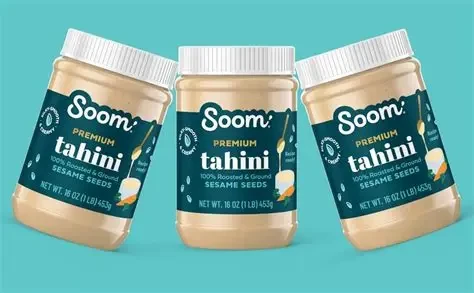
The company built its brand around an obsessive focus on the seed, the roast, the grind, and the silky texture that separates good tahini from a jar that sits untouched in the refrigerator.
The Seed Is the Product
Soom’s philosophy begins with ingredient quality.
Tahini is made from sesame seeds, which means there are very few places for a mediocre ingredient to hide.
The company emphasizes sourcing high-quality seeds with a strong oil-to-meat ratio and roasting them to create a mild, nutty flavor rather than excessive bitterness.
The result is designed to be smooth and easy to mix.
That texture became one of Soom’s strongest consumer differentiators.
Anyone who has opened a jar of poorly separated tahini understands why.
The product should feel like an ingredient you reach for regularly, not one that requires a workout before every use.
From a Chef’s Loading Dock to National Credibility
Soom’s early relationship with chef Michael Solomonov became an important part of the company’s story.
In 2013, co-founder Amy Zitelman brought Soom tahini to Zahav in Philadelphia.
After Solomonov approved the product, Zitelman made the company’s first delivery through the restaurant’s loading dock.
More than a decade later, Soom says it remains the tahini Solomonov uses throughout his restaurants and at home.
That kind of relationship gives a food brand something retail advertising cannot manufacture easily.
Professional credibility.
Chefs use ingredients differently from consumers.
They test consistency across volume, recipes, heat, sauces, baking, savory applications, and service conditions.
A product that becomes a kitchen standard earns a different kind of trust.
Tahini Moves Into Everyday Meals
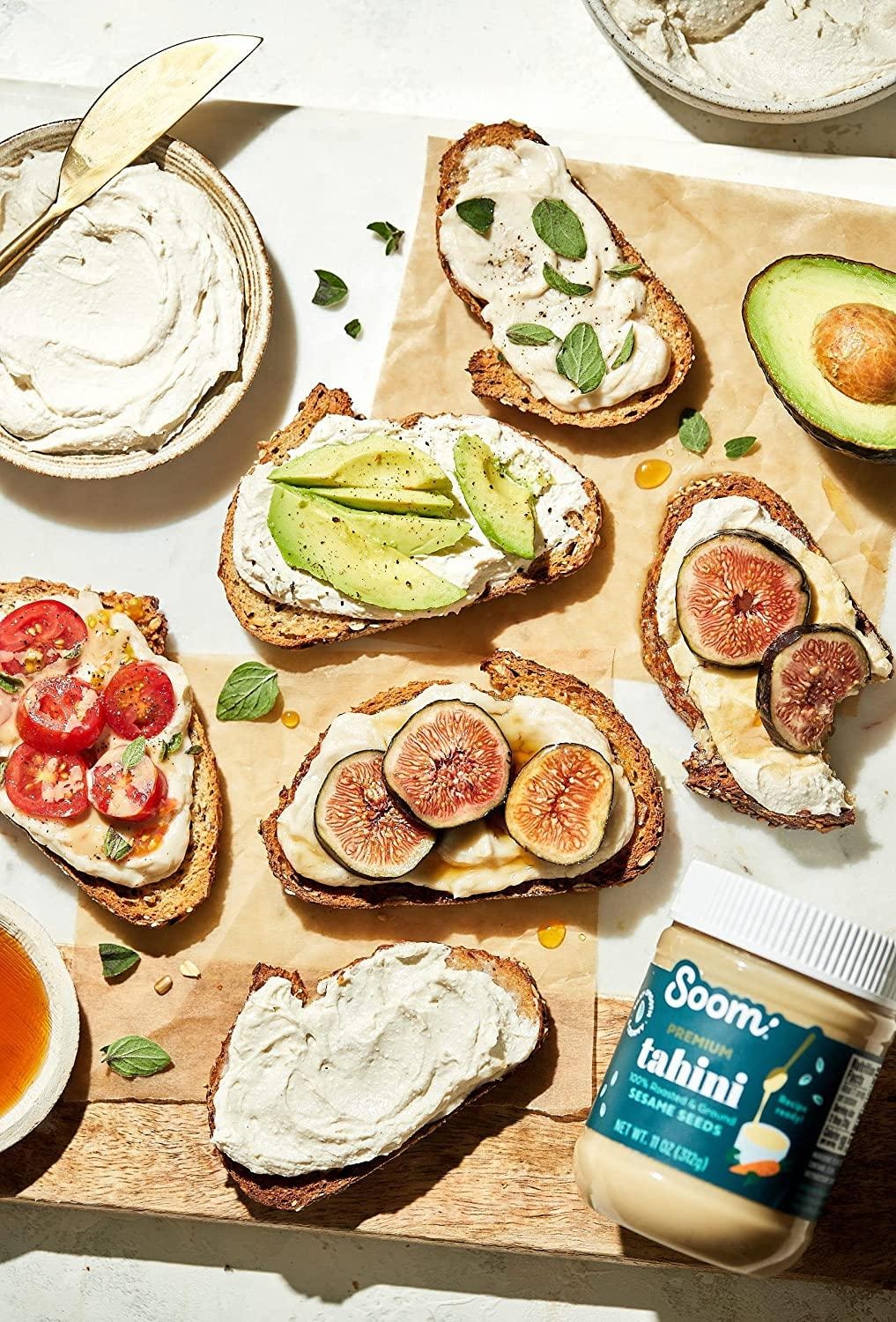
Soom has spent years teaching consumers that tahini can be used far beyond hummus.
Its recipe library spans sauces, dressings, desserts, breakfasts, baked goods, savory dishes, snacks, and beverages.
That education is part of category growth.
A pantry ingredient becomes valuable when people know what to do with it.
In 2026, Soom expanded that strategy through squeeze bottles designed around convenience.
Products such as Everyday Tahini, Harissa Tahini, and Mediterranean Herb Tahini allow consumers to drizzle tahini directly onto meals without stirring or additional preparation.
That sounds like a packaging change.
Strategically, it is much larger.
It reduces friction between the ingredient and the meal.
One Ingredient, Multiple Businesses
Soom operates across consumer retail and foodservice.
Its products range from household jars and squeeze bottles to 6.6-pound and 40-pound foodservice buckets.
That breadth reinforces the brand.
Consumers may encounter Soom at home, in a restaurant, or through a prepared dish.
Foodservice volume also creates feedback from professional kitchens, while retail creates broader brand recognition.
The company’s current presence includes national retailers, online channels, and restaurant partnerships.
Sustainability Starts With Sesame
Sesame also brings an interesting agricultural story.
Soom notes that sesame is drought tolerant, requires substantially less water per pound than almonds, can improve soil through its root systems, and does not require highly specialized harvesting equipment.
That does not make every jar automatically sustainable.
It does mean the underlying crop has characteristics that fit growing consumer interest in resilient food systems.
For Soom, sustainability and product quality begin at the same place: the seed.
Why Soom Foods is a 2026 Industry Icon
The 2026 Industry Icon designation recognizes organizations demonstrating meaningful innovation, leadership, momentum, industry impact, and the ability to influence what comes next within their respective fields.
Soom Foods was selected for helping build the modern U.S. tahini category through ingredient quality, chef trust, consumer education, family leadership, and continued product innovation.
Its 2026 squeeze-bottle expansion demonstrates a company still focused on the same strategic goal: make tahini easier to use more often.
For its category influence, culinary credibility, thoughtful sourcing, foodservice depth, and ability to turn an ancient ingredient into an everyday modern staple, Soom Foods has been selected as a 2026 Industry Icon in Food, Beverage & Hospitality.
Explore Soom Foods
Explore all 100 Industry Icons
View All Honorees